Screen Time and Your Child's Immunity: What Paediatricians Are Warning Parents About?
Talk to Our Experts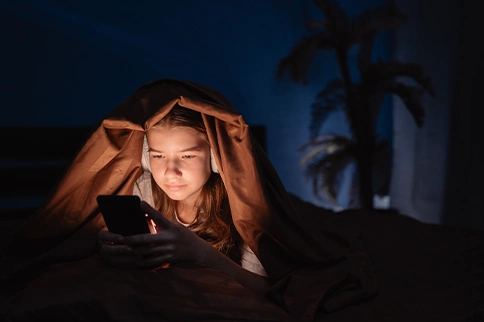
In today's digital world, screens have become a part of everyday childhood. From online learning and educational videos to gaming and entertainment, children are spending more time on devices than ever before. While technology offers convenience and learning opportunities, paediatricians are raising concerns about an often-overlooked issue-the impact of excessive screen exposure on a child's overall health and immunity.
If your child seems to be falling sick frequently, sleeping poorly, or spending less time outdoors, their screen habits could be playing a bigger role than you realise. Understanding the relationship between kids' screen time and overall well-being can help parents make informed choices that support healthy growth and stronger immunity.
Why Screen Time Matters More Than Ever
Over the last few years, digital devices have become deeply integrated into children's daily routines. While screens can be useful educational tools, excessive use often replaces activities essential for healthy development, including physical play, social interaction, adequate sleep, and outdoor exploration.
Many paediatricians across India are seeing a rise in concerns related to sleep disturbances, sedentary lifestyles, behavioural changes, and increased dependency on digital devices. These lifestyle shifts can have a ripple effect on a child's overall wellbeing, including the factors that support a healthy immune system.
Can Excessive Screen Time Affect Immunity?
A child's immune system relies on several lifestyle factors to function effectively. Nutritious food, quality sleep, physical activity, emotional wellbeing, and regular routines all contribute to building strong immunity.
When screen time begins to interfere with these habits, it can indirectly affect the body's natural defence mechanisms. While screens themselves do not cause illness, excessive usage can contribute to behaviours that make it harder for children to maintain optimal health.
This is why paediatricians are increasingly encouraging parents to view screen habits not just as a behavioural concern, but as an important aspect of overall health management.
What Paediatricians Are Warning Parents About
Healthcare experts are observing several patterns among children who spend excessive hours on screens.
Sleep Deprivation Is Becoming More Common
One of the biggest concerns is poor sleep quality. Exposure to screens before bedtime can disrupt melatonin production, making it harder for children to fall asleep and stay asleep.
Since quality sleep is closely linked to immune function, children who consistently get less sleep may experience reduced resilience to common infections and illnesses.
Outdoor Play Is Being Replaced by Screen Entertainment
Children naturally develop physical strength, stamina, and overall wellbeing through active play. However, prolonged screen usage often reduces opportunities for outdoor activities that support healthy growth and immune health.
Increased Digital Dependency
Many children are becoming dependent on screens for entertainment, which can lead to irritability, reduced attention spans, and difficulty engaging in offline activities. Over time, this can affect emotional wellbeing and daily routines.
Sedentary Behaviour Is on the Rise
Spending long hours sitting in front of screens can contribute to reduced physical activity levels. A lack of movement not only affects physical fitness but can also influence overall health and wellness.
Does Screen Time Reduce Immunity in Kids?
Many parents ask, does screen time reduce immunity in kids?
The answer to this question is indirect but really important for your child’s mental health.
Research and clinical observations suggest that excessive screen exposure can negatively affect key factors that support immune health among children, including:
- Sleep quality
- Physical activity levels
- Emotional wellbeing
- Eating habits
- Daily routines
When these foundational aspects of health are disrupted consistently, children may become more susceptible to common illnesses and experience slower recovery from infections.
Rather than focusing solely on the screen itself, parents should consider the broader lifestyle impact of excessive screen use.
The Lifestyle Habits Linking Screens and Immune Health
Poor Sleep Quality
Sleep is when the body repairs itself and supports healthy immune responses. Children who spend time on screens before bed often experience delayed sleep onset and reduced sleep quality.
Reduced Physical Activity
Active children generally enjoy better overall health. Excessive screen use can reduce opportunities for exercise, sports, and outdoor play, all of which contribute to healthy development.
Unhealthy Eating Patterns
Screen time is frequently associated with distracted eating and increased consumption of processed snacks and sugary beverages. These habits may reduce nutrient intake necessary for healthy immune function.
Increased Stress and Mental Fatigue
Overstimulation from constant digital engagement can contribute to irritability, mood changes, and mental fatigue. Emotional well-being plays an important role in maintaining overall health.
IAP Guidelines on Screen Time for Children
The IAP guidelines on screen time for children provide a useful framework for healthy digital habits.
Children Below 2 Years
- Avoid screen exposure as much as possible.
- Video calls with family members may be permitted under parental supervision.
Children Aged 2-5 Years
- Limit screen time to approximately one hour per day.
- Ensure content is educational, age-appropriate, and supervised.
Children Above 5 Years
- Establish clear and consistent limits.
- Ensure screen usage does not interfere with sleep, studies, physical activity, or family interactions.
The emphasis should be on balance, quality content, and healthy routines rather than simply counting screen hours.
Signs Your Child May Be Spending Too Much Time on Screens
Parents should pay attention to warning signs that indicate screen habits may be affecting their child's well-being.
These may include:
- Difficulty sleeping
- Frequent tiredness
- Reduced interest in outdoor activities
- Increased irritability
- Poor concentration
- Frequent headaches
- Dependence on devices for entertainment
- Reduced interaction with family and friends
Recognising these signs early allows parents to take corrective steps before screen habits become deeply ingrained.
How to Reduce Screen Time for Toddlers and Young Children
If you are wondering how to reduce screen time for toddlers, the key is to introduce healthy alternatives rather than abruptly removing devices.
Create Screen-Free Spaces
Keep bedrooms and dining areas free from screens to encourage better sleep and meaningful family interactions.
Encourage Outdoor Play
Simple activities such as cycling, park visits, nature walks, and sports can help children stay active while reducing dependence on digital devices.
Follow a Consistent Daily Routine
Structured schedules for meals, study, play, and sleep help children develop healthier habits naturally.
Introduce Engaging Offline Activities
Offer alternatives such as:
- Storybooks
- Arts and crafts
- Puzzles
- Building blocks
- Music and dance
- Family board games
Be a Positive Role Model
Children often imitate what they see, so it is very important that parents monitor what the child consumes. Limiting your own recreational screen usage can encourage healthier digital habits throughout the family.
Supporting Your Child's Immunity Naturally
Building strong immunity requires a holistic approach that extends beyond limiting screen time. Parents can support their child's overall health by focusing on:
- Balanced nutrition
- Adequate hydration
- Daily physical activity
- Quality sleep
- Emotional wellbeing
- Reduced screen dependency
- Regular health assessments
At Dr Batra's®, experts believe that strong immunity begins with healthy lifestyle habits. Through personalised guidance and a holistic approach to wellness, parents can receive support in addressing concerns related to recurrent illnesses, overall wellbeing, and healthy childhood development.
Book a Consultation
Support your child's health journey. Consult an expert at Dr Batra's today.
When Should Parents Seek Professional Advice?
If your child experiences frequent infections, persistent sleep issues, behavioural changes, excessive screen time, or concerns about growth and development, consulting a healthcare professional can help identify underlying factors and provide appropriate guidance.
Early intervention often plays a crucial role in promoting long-term health and wellbeing.
Frequently Asked Questions
- Why Screen Time Matters More Than Ever
- Can Excessive Screen Time Affect Immunity?
- What Paediatricians Are Warning Parents About
- Does Screen Time Reduce Immunity in Kids?
- The Lifestyle Habits Linking Screens and Immune Health
- IAP Guidelines on Screen Time for Children
- Signs Your Child May Be Spending Too Much Time on Screens
- How to Reduce Screen Time for Toddlers and Young Children
- Supporting Your Child's Immunity Naturally
- When Should Parents Seek Professional Advice?


Get Your Personalised Health Treatment Today


Working hours: 10am to 9pm daily.
Have Enquiries?
Leave your details and our hair therapy specialist will respond to your query shortly.